
Hot Tub & Spa Wiring

Your Hot Tub Is Delivered. Now It Needs Power.
Hot tubs are one of those purchases where the fun part happens first and the electrical part surprises people later. The delivery crew sets it on the pad, hands you a manual, and tells you to call an electrician. Most tubs do not plug into a normal outlet. They need a dedicated circuit, a GFCI disconnect, and a proper hookup.
Silver Stone Electric handles hot tub wiring Utah homeowners need, from the panel all the way to the tub. We work across Summit, Wasatch, Utah, and Salt Lake counties, and yes, we do this in the winter too.

Why This Is Not a DIY Job
Water and electricity in the same place, outdoors, at 240 volts. That combination is exactly why the code around spas is strict. It is not red tape, it is the reason people do not get hurt in their own back yard.
A correct install needs the right wire size for the distance, a breaker matched to the tub’s rating, a GFCI-protected disconnect within sight of the tub but not too close, proper burial depth or protected conduit, and bonding where required. Miss any of those and you have either a hazard or a failed inspection.
As a licensed hot tub electrical installer, we do the whole thing to code and we are insured while we do it.
The Numbers People Ask About
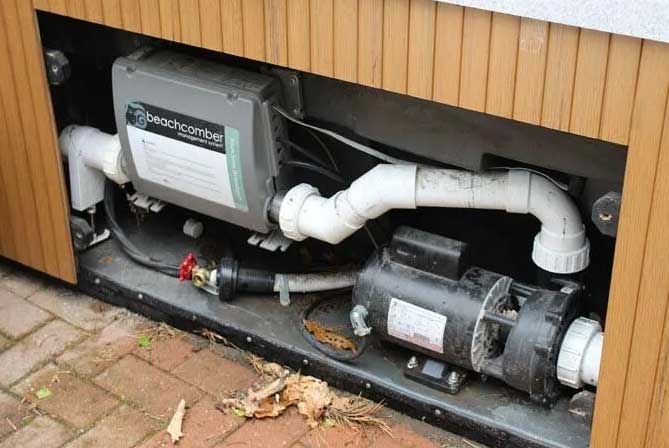
Most standard tubs want a 240-volt, 50-amp GFCI-protected circuit. Some smaller ones need 30 or 40 amps, and some larger swim spas need more, occasionally two circuits. Plug-and-play 120-volt tubs exist, but they still deserve their own dedicated GFCI circuit rather than sharing with the garage.
220v hot tub wiring and 240-volt wiring are the same thing in normal conversation, so do not worry if your manual says one and the sticker says the other. What matters is that we size the hot tub breaker size to your specific model, not a general rule of thumb.
Wire size also depends on distance. A long run to a tub at the far corner of the yard needs bigger conductors to avoid voltage drop. That is a calculation, not a guess, and it is part of doing code compliant spa wiring.
GFCI Protection and the Disconnect
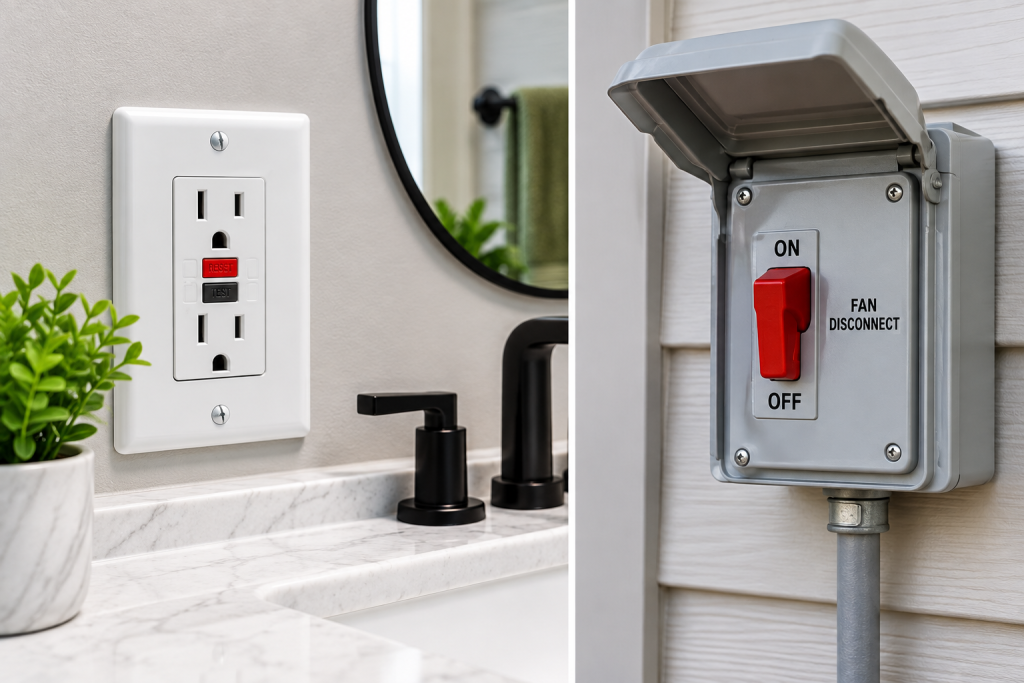
This is the part that keeps you safe. GFCI hot tub wiring means the circuit shuts off in a fraction of a second if current starts going somewhere it should not, like through a person.
The disconnect is a shutoff box you can reach without standing in the tub. Code sets both a minimum and a maximum distance from the water, and it has to be visible from the tub. We place it properly and label it so anybody, including a future homeowner, knows what it is.
Our spa breaker installation work uses spa-rated GFCI equipment, not a standard breaker with an outdoor cover thrown over it.
Outdoor Work in Utah Weather
Mountain winters are hard on outdoor electrical. For an outdoor spa electrical hookup we use weather-rated boxes and covers, seal penetrations, use conduit suited to sun and freeze exposure, and protect anything that could be hit by a shovel or a plow.
Snow load, freeze-thaw, and standing water all get considered. A safe hot tub power connection should still be a safe connection in February.
Before You Call, Grab These Two Things
You can save yourself a phone call by having these ready.
- Your tub’s electrical spec sheet, or a photo of the sticker on the equipment bay
- A rough idea of where the tub sits relative to your panel, and whether the path crosses concrete, lawn, or deck
With those two pieces we can usually give you a solid quote quickly. If the panel is full, we will tell you what a panel upgrade would add before you commit to anything.
New Tub, Replacement Tub, or Moving One
We do all three. New installs from scratch, reconnecting a replacement tub to an existing circuit after checking that the circuit still matches, and relocating a tub to a different spot in the yard, which usually means a new run.
If you bought a used tub, we will verify the equipment pack and the wiring are safe before energizing it. Used tubs sometimes come with creative previous repairs.
Frequently Asked Questions
In most Utah cities and counties, yes. A new dedicated circuit for a spa is permitted work and gets inspected. We pull the permit and meet the inspector, so you do not have to figure out the paperwork.
Most standard tubs use a 240-volt, 50-amp GFCI breaker. Smaller tubs may need 30 or 40 amps, and swim spas can need more. The tub's spec sheet is the authority, and we size the breaker and wire to that model and to the length of the run.
Yes. We handle it from the panel to the tub, including the breaker, the wire run, the GFCI disconnect, bonding, the final connection, and testing. We do new installs, replacements, and relocations.
Code requires it to be a minimum distance from the water but still within sight of the tub, with a maximum distance as well. We place it correctly for your layout during the install, so you never have to guess.
Most standard installs are a single day. It takes longer if the panel needs an upgrade, if the run is very long, or if we have to trench across a driveway or hard surface.
Yes, though frozen ground can make trenching harder and may push us toward a different routing. Tell us the site conditions and we will work out the best approach.